

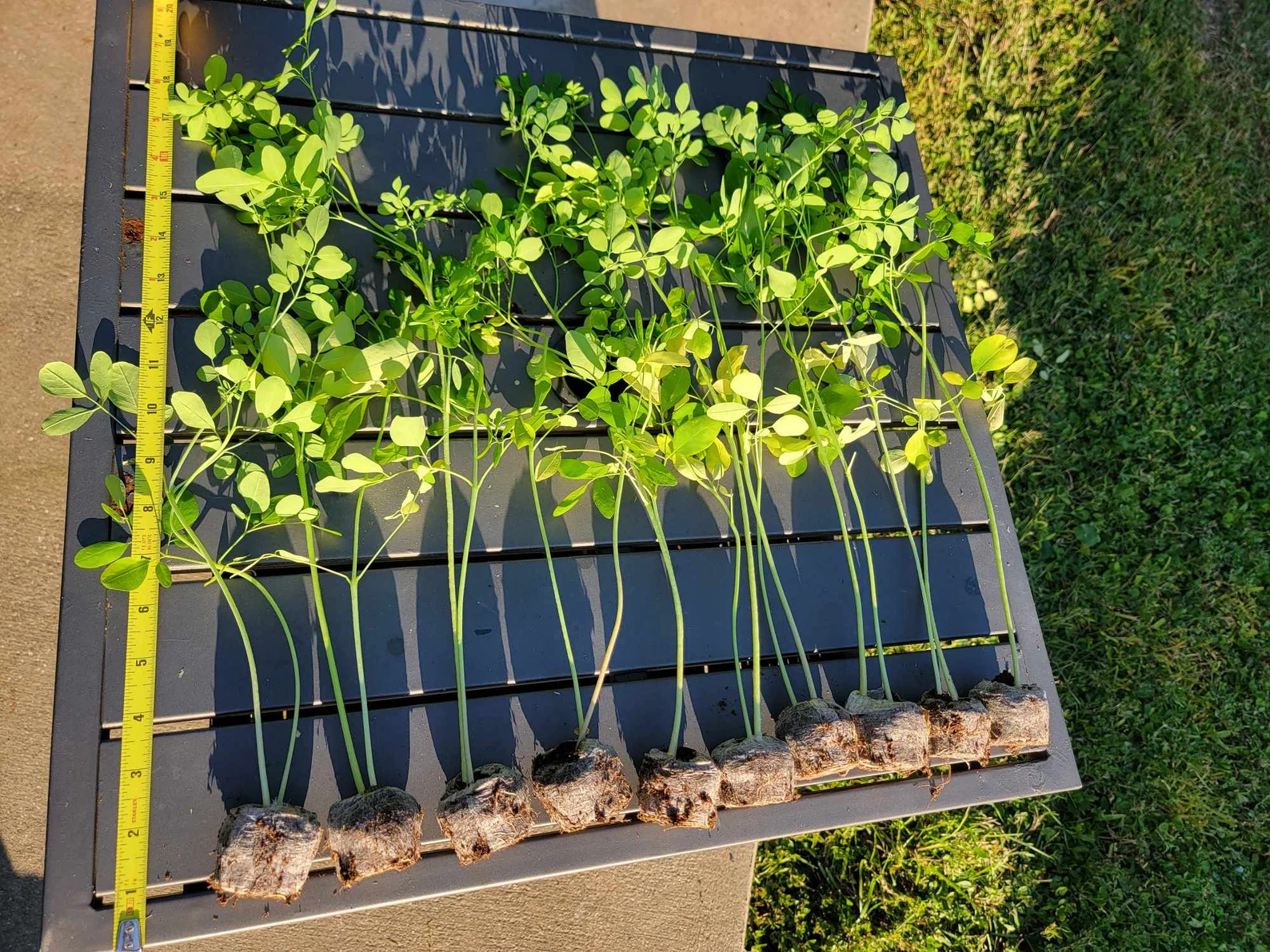
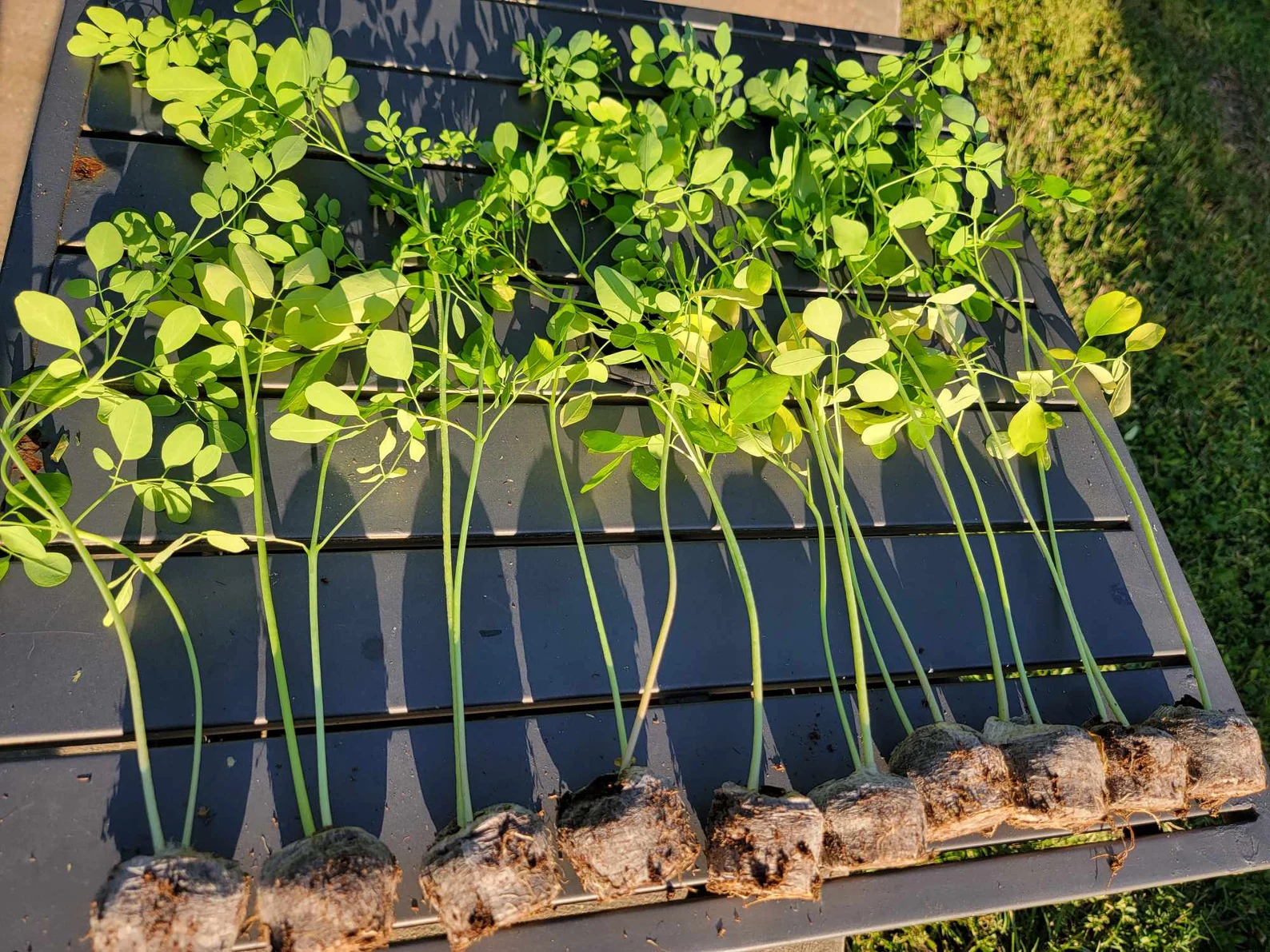
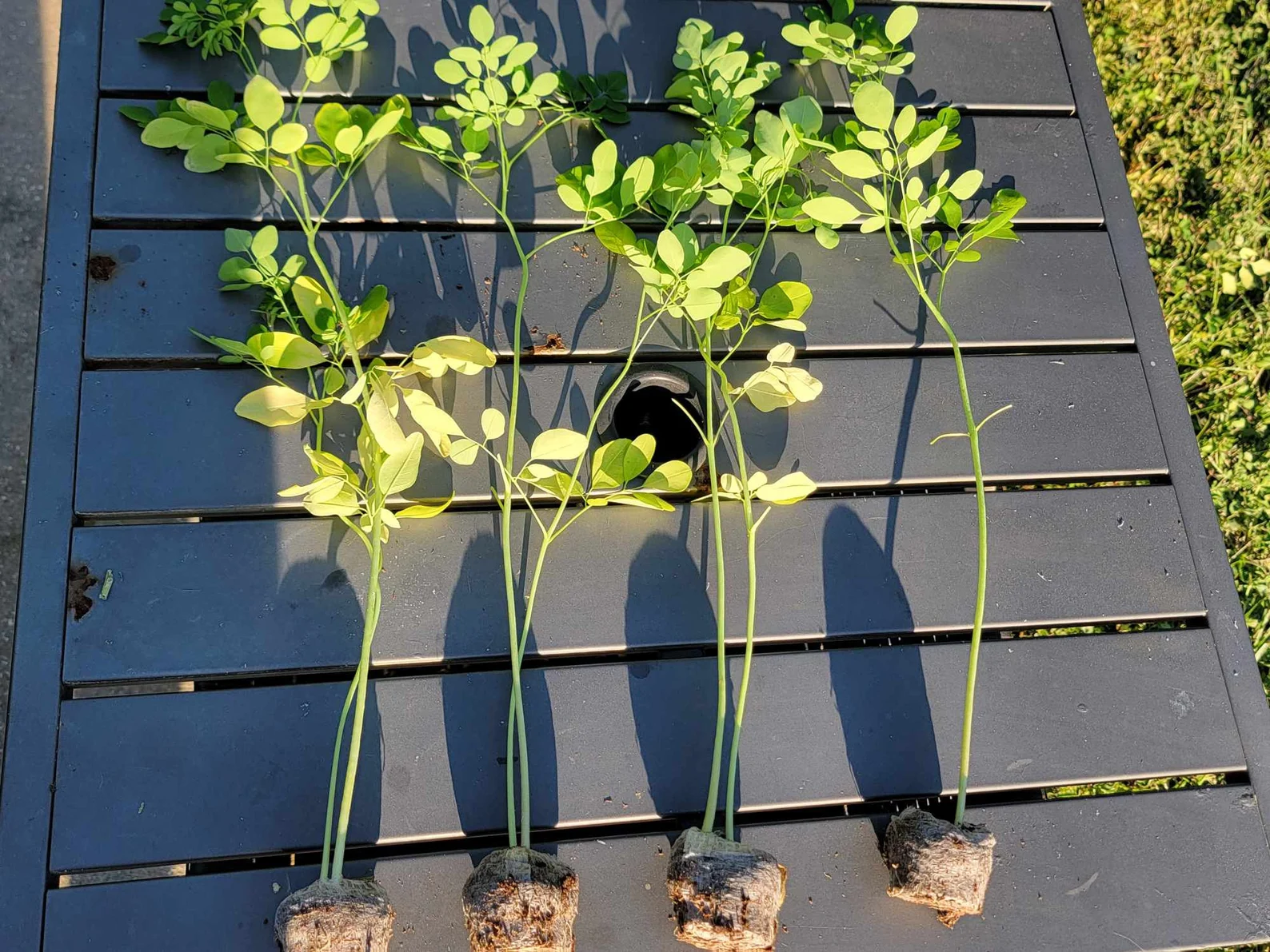
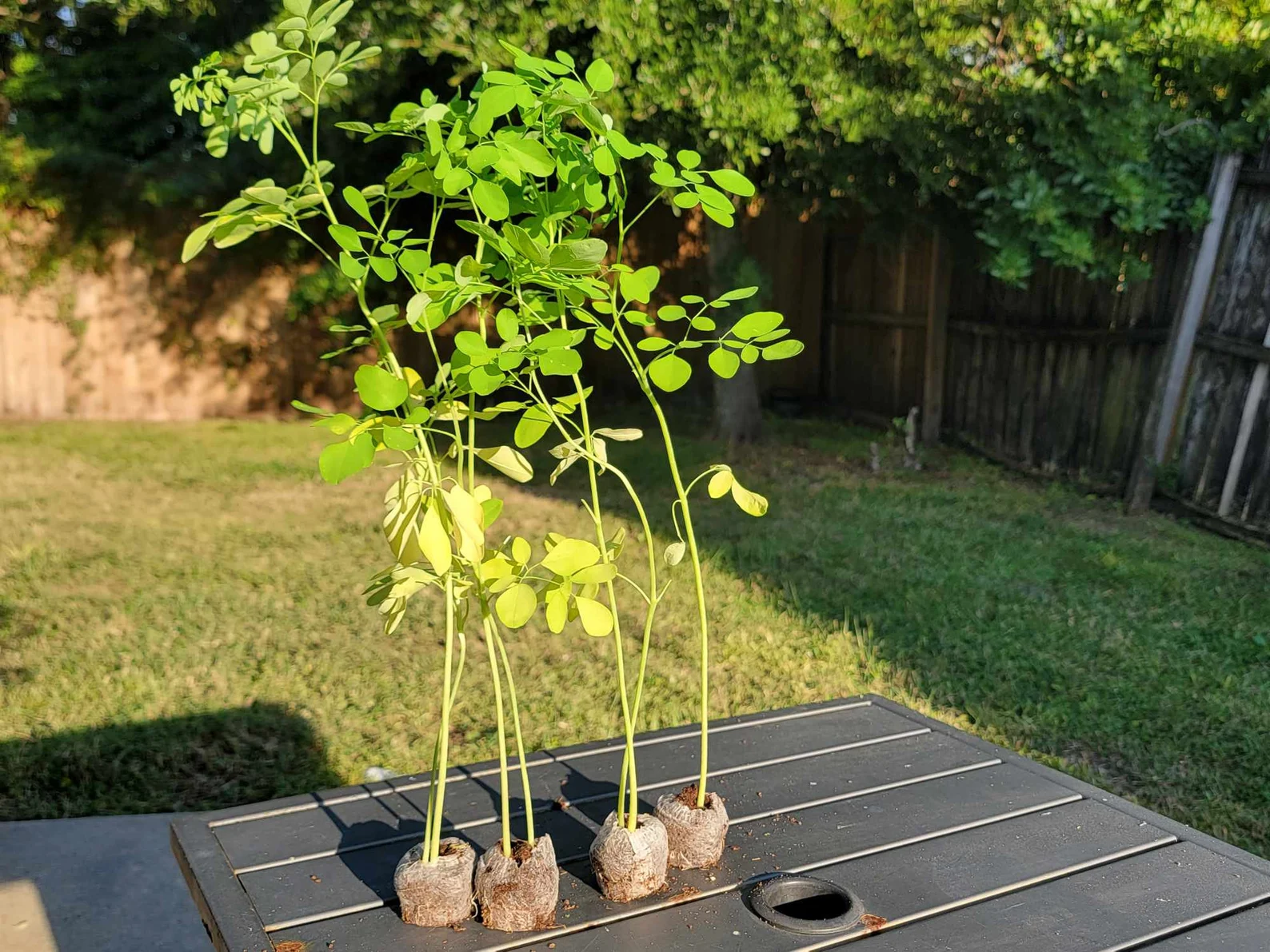
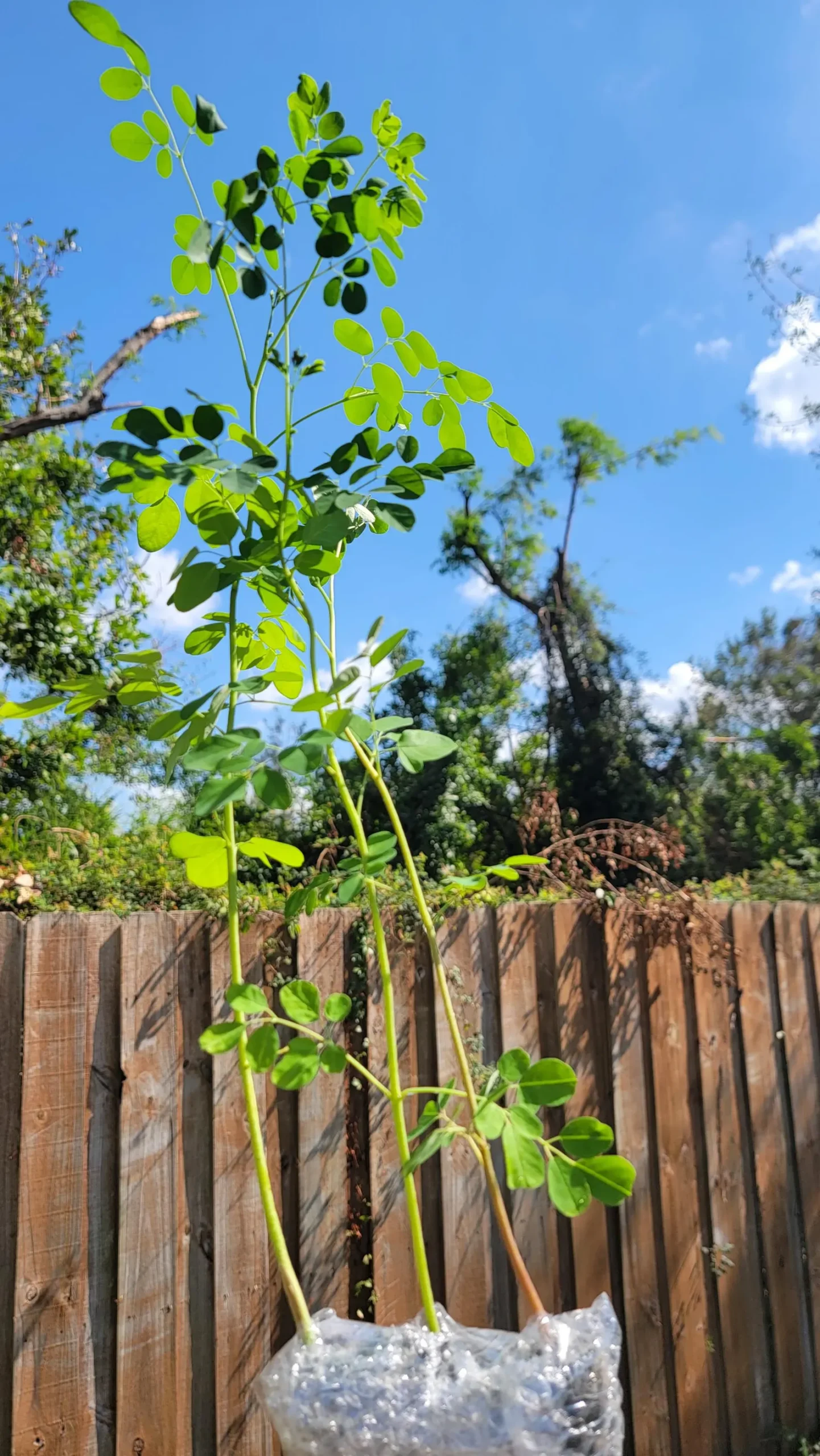
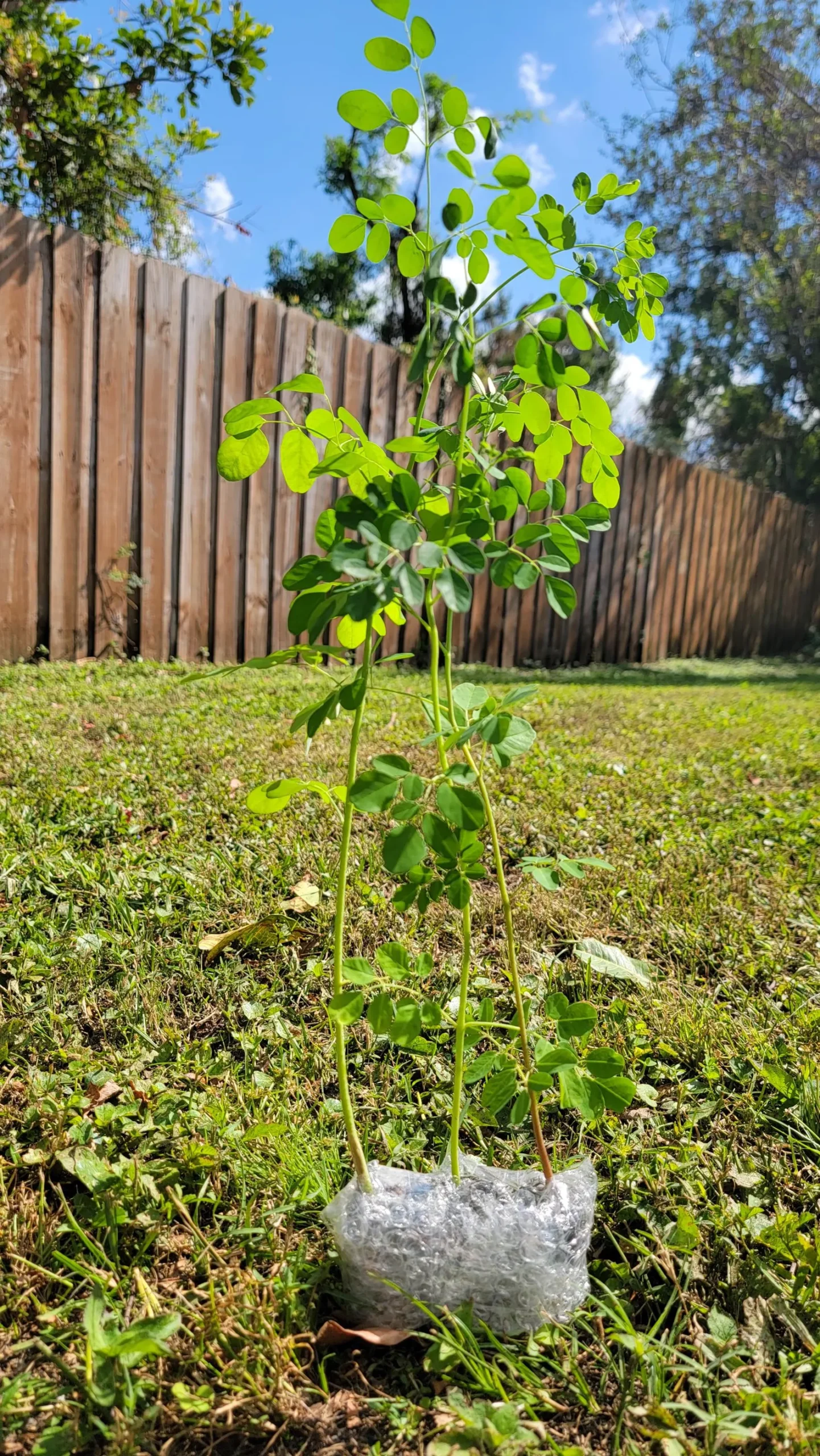
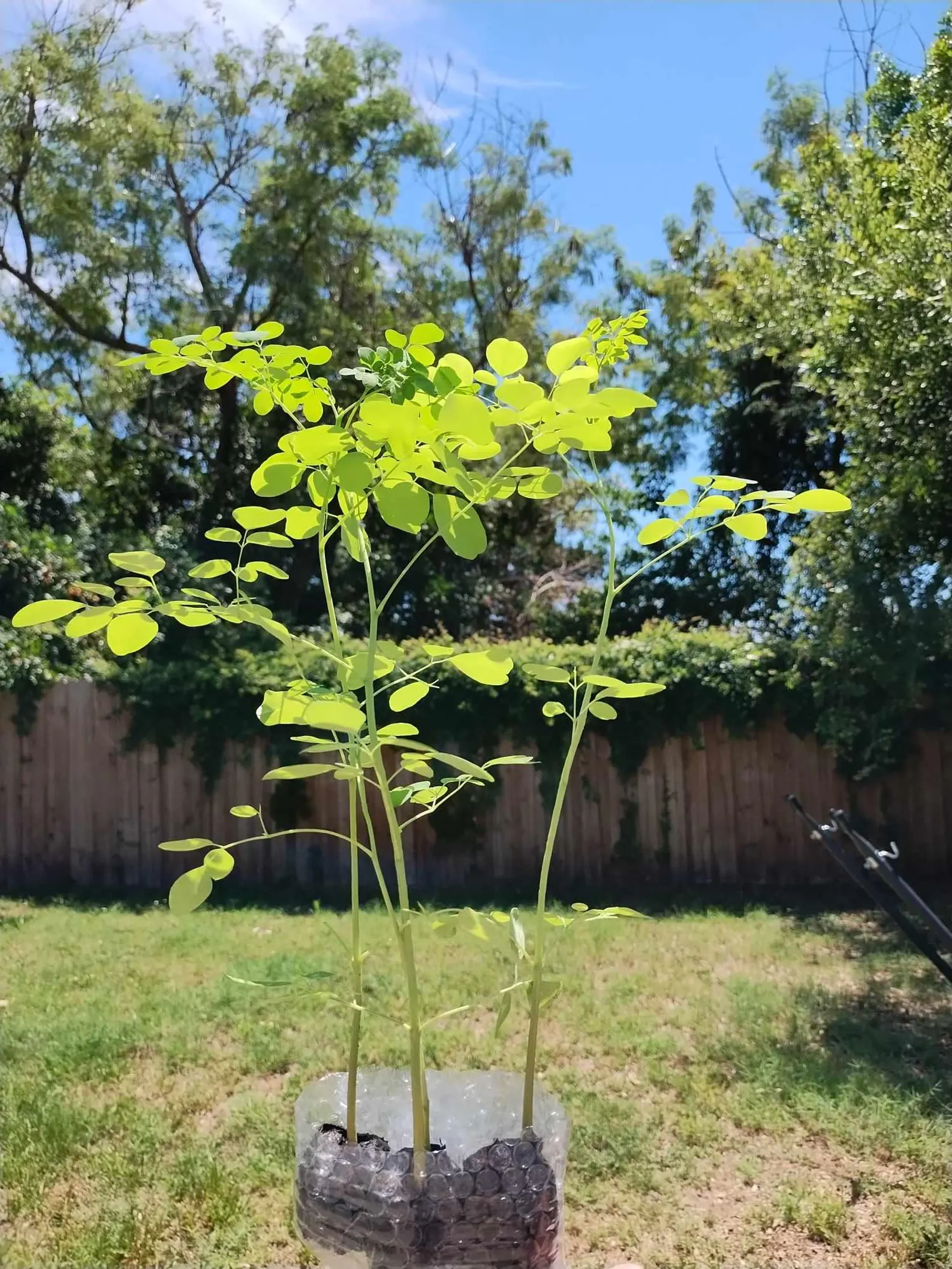
Description
Meet The Moringa Plant – A Unique Addition to Your Garden or Home
Want to learn about moringa plants? Look no further because these unique plants are a great addition to any garden or home. Meet The Moringa Plant. The moringa plant, also known by its scientific name, Moringa oleifera, has been used for its versatility and abundance of uses for decades.
Allow us to introduce our healthy and carefully cultivated moringa plants to show you what this miracle tree is all about.
Benefits of the Moringa Plant:
Nutrient Powerhouse: Moringa is also known as the drumstick tree or horseradish tree. For its unique shape and taste. But what most people don’t know is that this tree is packed with nutrients. It provides vitamins A, C, and E along with many essential minerals like calcium, potassium, and iron. It doesn’t stop there though this tree also has protein containing all vital amino acids as well as antioxidants.
Easy To Grow: Our moringa plants are grown with care to ensure they’ll grow to be strong and healthy. They can grow in various different types of climate conditions and require little upkeep. Whether you’re a seasoned gardener or not moringa plants can make your life easy. All you’ll need is some well drained soil and plenty of sunlight.
Environmentally Friendly: Not only is this plant good for you and your garden but it’s also good for the environment. Moringa plants have extremely deep roots which help prevent erosion. What’s more is that they’re drought tolerant. By planting this tree you can cut down on the number of plants you need to maintain an ecofriendly garden.
Cooking Superstar: If you’re looking to step up your cooking game then look no further than your moringa plant. These plants can be used in so many recipes to add flavor and nutrients to your meals. Whether you make yourself a salad, smoothie, soup, or stew adding moringa will help take it to the next level.
Natural Decoration: Who doesn’t want more decoration in their garden? Although moringa plants have many purposes that benefit you. They also come at the bonus of adding decoration to the sights. Moringa plants have feathery leaves and produce small fragrant flowers.
Uses for Moringa Trees: You can even use the seeds to make oil! While the tree itself has many benefits. Did you know that the bark and roots of the Moringa tree have been used for many purposes as well?
Growing Tips:
Grow in full sun and moist well-drained soil. Keep regularly watered until plants are established. Decrease watering once established. Cut back to preferred height for container planting. In colder zones, take inside for the winter or cover to protect from frost.
Choose Your Pack:
- 1 Plant – Starter Gardener
- 3 Plants – Backyard Grower Pack
- 5 Plants – Homestead Pack
Shipping: Plants will be packed with roots protected to ensure they arrive healthy to your house. Instructions will be included.
Key Features:
- Live Moringa oleifera plants
- Edible leaves for culinary use
- Suitable for outdoor gardens or large containers
- Drought tolerant once established
- Fast growing, easily pruned
- Feathery foliage and fragrant flowers
- Choose from 1, 3, or 5 plant packs
Indoor Growing Tips
Your Moringa tree will grow indoors if you have a large enough pot and lots of sunlight. Place your plant in direct sunlight near a south-facing window. If you choose to provide additional lighting for your plant, we recommend using grow lights. You can prune your moringa tree to keep it at the height you desire. With regular pruning, you can keep your indoor moringa tree as low as 3-4 feet tall.
Culinary & Ornamental Uses
Fresh young leaves may be harvested and added to salads, smoothies, soups, and stews. Its feathery leaves and small fragrant flowers also add nice ornamental value to your garden. You can even harvest the seeds and press them for oil! Its deep roots help deter soil erosion.
Environmental Benefits
- Deep root system helps prevent soil erosion
- Drought-tolerant once established – requires less water than many garden plants
- Fast-growing – provides quick shade and greenery
Important Growing Notes
- Moringa is a tropical tree; protect from frost
- In cooler climates, grow in a container and bring indoors during winter
- Prune regularly to control height and encourage bushy growth
Try one of our moringa plants today and see why they are known as the tree of life.
FAQs About Moringa Plants
What is moringa used for?
Moringa oleifera is a wonder plant that has been used for decades. It can be used for nutrition, wellness, and gardening!
Do moringa trees need a lot of water?
All Moringa plants need is well drained soil, sun, and regular watering.
How fast do moringa trees grow?
When properly cared for and in the right conditions a Moringa tree can grow anywhere from 10-40 feet tall. If you’re planting in a pot or plan to keep your plant short then you can always prune your tree to your desired height.
What is a moringa plant?
Moringa is a deciduous tree native to certain parts of Asia & Africa. It is grown for its edible leaves, decorative purposes, & fast growing nature when planted in warm areas.
Can I eat the leaves from my plant?
Yes! Fresh moringa leaves are edible & great for adding to salads, soups, smoothies or you can dry them for tea. Just make sure to wash them really well.
Can you grow moringa indoors?
Yes, although you will need a decent sized pot and plenty of sunlight. Place your plant near a south-facing window or provide supplemental light with a grow light. Prune regularly to maintain the height you desire.
Note: Regular pruning will allow you to keep a container-grown plant small.
How tall will moringa grow?
Depending on the conditions your plant is grown in, it can get between 10–40 feet tall when planted outdoors.
If you’re growing in a container or plan to keep yours inside, you can keep your plant to the height you desire by pruning regularly. When kept indoors, most indoor moringa trees stay between 3–4 feet tall.
What kind of soil does moringa like?
Well-drained soil is ideal. Moringa trees don’t like to sit in water. A simple potting soil mixed with perlite works great for containers.
Will moringa die over winter / can it handle frost?
Moringa trees don’t handle cold well so if you live in a zone lower than zone 9, either bring your potted moringa plant inside for the winter or cover it with a thick layer of frost cloth.
If your tree is planted in the ground and outside takes a hard freeze, it will most likely die down to the ground but the roots will be just fine and you should see new growth in the spring.
How do I harvest moringa leaves?
Simply pinch off young tender stems full of leaves. Fresh leaves can be eaten right away, or dehydrated. If dehydrating, store leaves in an air-tight container away from light.





Reviews
There are no reviews yet.