
Moringa – Boost Your Hemoglobin Levels
Moringa is known for its many health benefits. Did you know that moringa can also help increase your hemoglobin levels? Hemoglobin is a protein found in red blood cells that carries oxygen throughout your body. If you are feeling tired and run down, it may be because your hemoglobin levels are low. Moringa is a natural way to boost them up! In this blog post, we will discuss the benefits of moringa and how it can help increase your hemoglobin levels.
Definition of Hemoglobin
Hemoglobin is a protein found in red blood cells that helps transport oxygen to the body’s organs and tissues. It also carries carbon dioxide away from these areas, helping to regulate our metabolism and other bodily functions. A lack of hemoglobin can lead to anemia, a condition where the body does not have enough oxygen and nutrients for optimal functioning.
Overview of the Benefits of Moringa
Moringa is an ancient plant native to India, and its leaves are packed with essential vitamins and minerals that can help improve overall health, including boosting your hemoglobin levels. It contains vitamins A and C, which help stimulate red blood cell production by supplying your body with iron, folate, and other essential minerals that are essential to maintaining a healthy level of hemoglobin. Moringa also contains antioxidants that can help protect your cells from oxidative stress, which can be damaging to your red blood cells and lead to a decrease in hemoglobin levels.
How Can Moringa Help Boost Your Hemoglobin Levels?
Moringa can help boost your hemoglobin levels through its high vitamin and mineral content. The leaves are rich in iron, which is an essential component of hemoglobin, as well as folate, which helps stimulate red blood cell production. The antioxidants in moringa can also help protect your cells from oxidative stress, which can damage your red blood cells and lead to a decrease in hemoglobin levels. Additionally, moringa leaves are rich in Vitamin A, which helps the body absorb more iron from foods you eat.
The Nutritional Content of Moringa Leaves
Moringa leaves are packed with essential vitamins and minerals that can help boost your hemoglobin levels. They contain vitamins A and C, as well as iron, folate, and other important minerals that are essential for maintaining a healthy level of hemoglobin. Moringa leaves also contain antioxidants and phytonutrients that can help protect your cells from oxidative damage caused by free radicals. Additionally, moringa leaves are an excellent source of protein and dietary fiber, which can help support overall health.
How to Consume Moringa for Optimal Effects
Moringa can be consumed in a variety of ways for optimal effects. The leaves can be eaten raw or cooked into meals, such as soups, curries, and other recipes. Moringa can also be dried and ground into a powder that can be added to smoothies or other beverages. Additionally, moringa supplements are available in capsule and tablet forms for those who do not wish to consume the leaves directly.
Moringa Products to Increase Hemoglobin
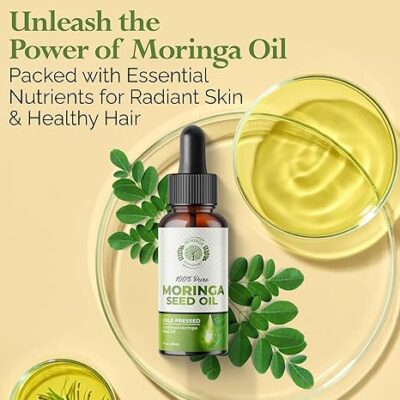
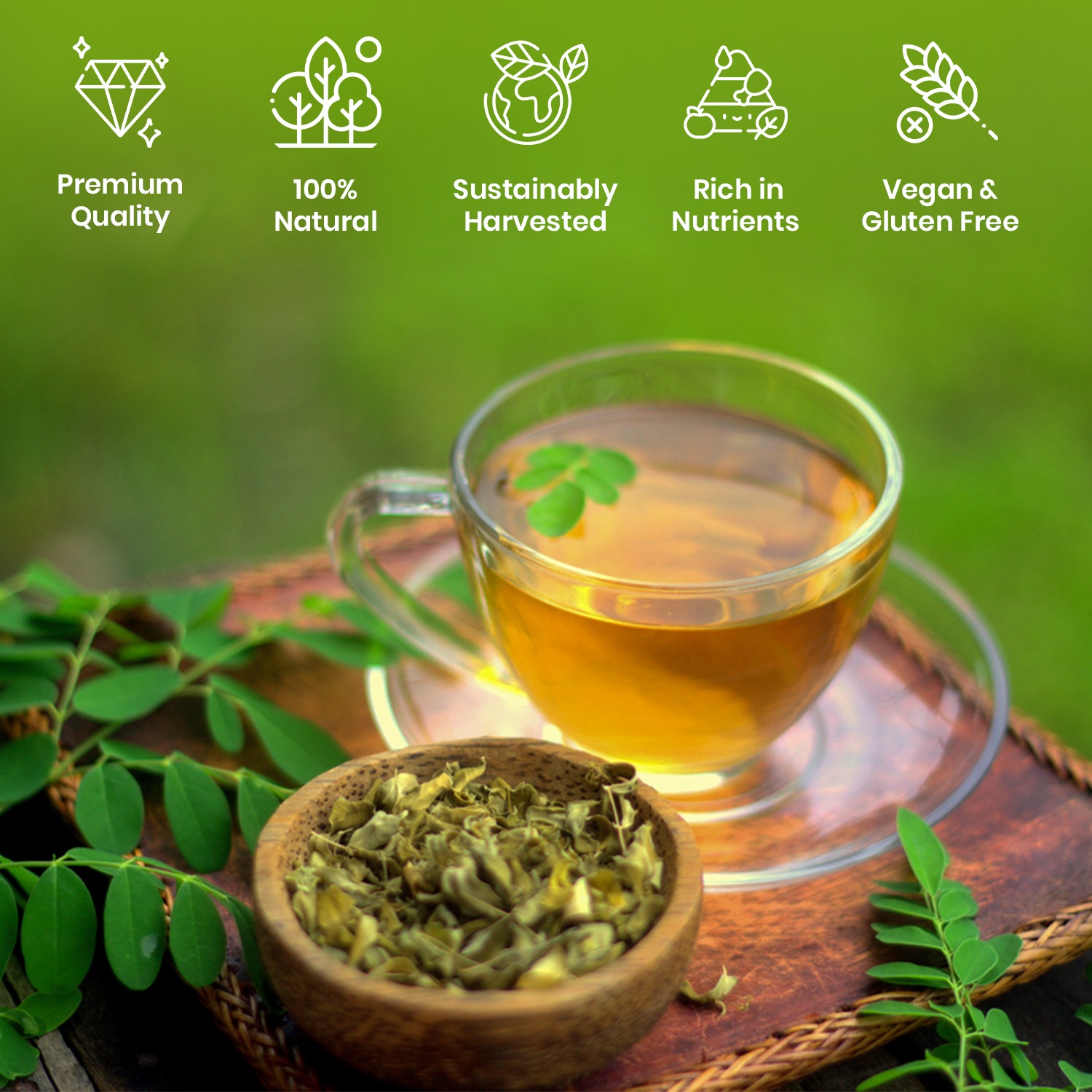
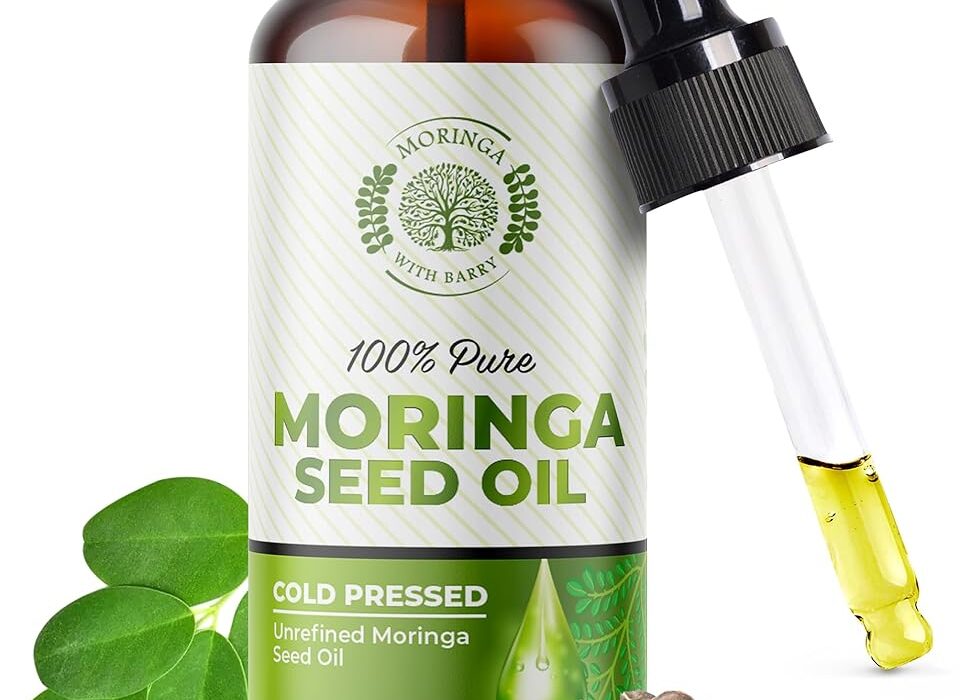
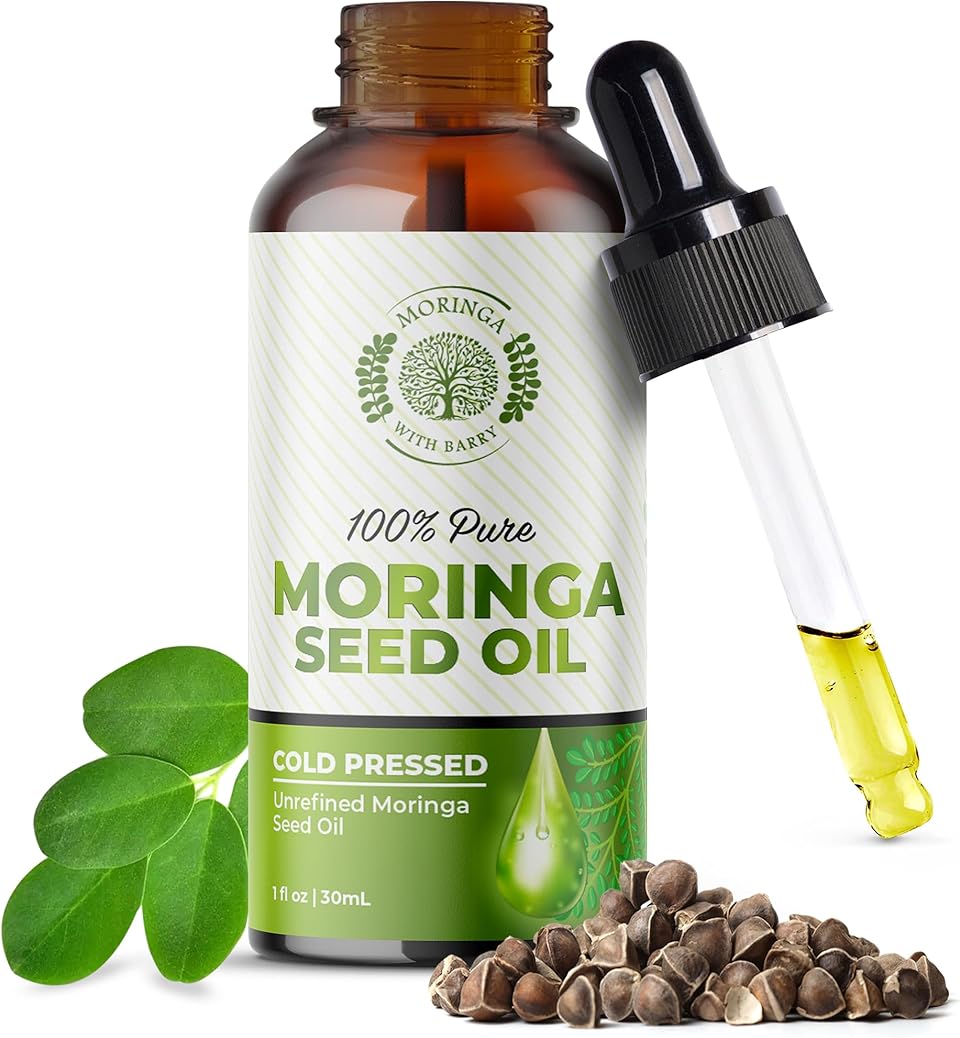
Moringa supplements are a convenient way to boost your hemoglobin levels. These products are typically made from moringa leaves that have been dried and ground into powder form. You can find moringa supplements in the form of capsules, tablets, or teas, which are all designed to provide your body with the essential vitamins and minerals it needs to maintain a healthy level of hemoglobin. Additionally, moringa oil is also available for topical use, which may help improve the health of your red blood cells by providing them with additional nutrients.
Evidence suggests that moringa can indeed help boost your hemoglobin levels
Numerous studies have been conducted to evaluate the effects of moringa on hemoglobin levels. One study found that consumption of moringa leaf powder significantly increased hemoglobin levels in anemic participants, while another study demonstrated that supplementation with moringa leaves helps reduce anemia symptoms and improve overall health. Additionally, research has shown that topical application of moringa oil can improve red blood cell health and increase hemoglobin levels. Overall, the evidence suggests that moringa can indeed help boost your hemoglobin levels.
Conclusion
By incorporating moringa into your diet on a regular basis, you can ensure that your body has the essential vitamins and minerals it needs to maintain a healthy level of hemoglobin. Whether you consume moringa leaves directly or take supplements, it can help boost your hemoglobin levels and support overall health. As with any supplement, however, it is important to speak to your doctor before taking any form of moringa product.
By following these tips, you can help ensure that your hemoglobin levels remain healthy and support overall health. Incorporate moringa into your diet through raw leaves, cooked meals, smoothies, teas, or supplements to help boost your hemoglobin levels and support overall health. Be sure to speak with your doctor first before taking any form of supplement. With these tips, you can help keep your hemoglobin levels healthy and support your overall health.
If you are looking for a way to increase your hemoglobin levels and support overall health, consider incorporating moringa into your diet. You can find a variety of moringa products at Moringa Products USA Stores, such as raw leaves, powders, capsules, tablets, teas, and oil. With these products, you can help maintain healthy hemoglobin levels and support overall health. Visit Moringa Products USA today to start boosting your hemoglobin levels!
Moringa With Barry stores offer a variety of moringa products. These include: Moringa Powder, Moringa Tea, Moringa Capsules and Moringa Oil.
Introducing Moringa Loose Leaf Tea: A Healthier Alternative to Your Morning Cup
References:
Gurung, R. (2019). Moringa Oleifera: A Review of the Medical Evidence for Its Nutritional, Therapeutic, and Prophylactic Properties. Part 1. The International Journal of Lower Extremity Wounds, 18(4), 352–362. https://doi.org/10.1177/1534734619855770
Pereira, P., Kalume, D., Costa, M., & Laranjeira, N. (2020). Moringa oleifera: A Review of Its Traditional and Ethnopharmacological Uses. Evidence-Based Complementary and Alternative Medicine, 2020.
Read more:
Moringa Drink Recipe: Refreshing and Nutritious Beverage Ideas
Will Moringa Leaves Grow Back? Understanding the Regrowth Process
Edible Delights: Exploring the Culinary Potential of Moringa Flowers
Moringa Alfredo: A Unique Twist on a Classic Pasta Sauce
Indulge in Healthiness: Delicious Moringa Brownies for a Nutritious Treat